
Electric wheelchairs serve as indispensable companions for many individuals with mobility impairments in their daily travels. The operational stability and service life of these devices depend largely on the user’s ability to master scientific and targeted maintenance methods. Wheelchair frames constructed from different materials possess distinct physical properties, and consequently, their specific maintenance priorities vary significantly. Understanding these differences not only enables users to maintain their equipment more effectively but also provides valuable insights for future purchasing decisions.
Carbon Fiber Wheelchairs: Meticulous Care for High-End, Lightweight Materials
Carbon fiber wheelchairs are highly prized for their extreme lightness and exceptional rigidity; however, this advanced composite material demands a more meticulous approach to maintenance. For routine cleaning, it is recommended to gently wipe the frame with a slightly damp, soft cloth. Avoid using abrasive cleaners containing scrubbing particles or stiff-bristled brushes, as these can damage the protective resin layer on the surface. Carbon fiber is sensitive to ultraviolet (UV) radiation; if the wheelchair must be parked outdoors for extended periods, it is advisable to use a protective sun cover to slow down the material’s aging and embrittlement process.
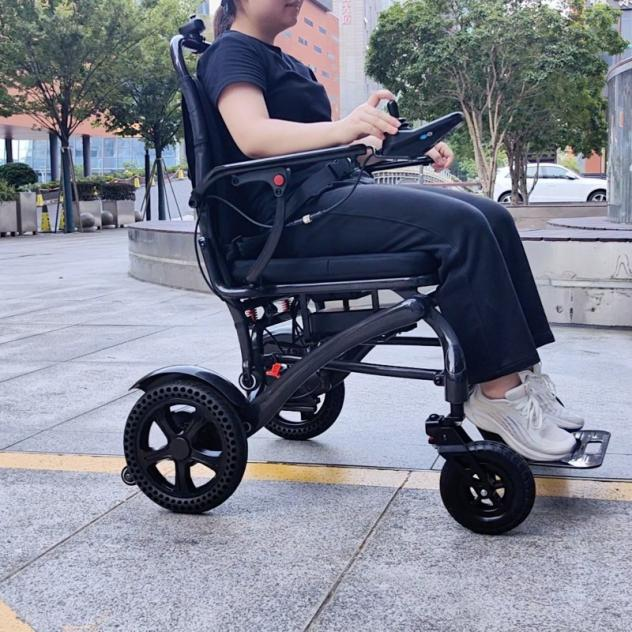
Particular attention must be paid to inspecting the frame’s connection points. Due to the differing coefficients of thermal expansion between carbon fiber and metal fasteners, bolts may become slightly loose in environments subject to significant temperature fluctuations. It is recommended to check the tightness of bolts at major load-bearing points once every three months. The hinges of the folding mechanism should be lubricated periodically with specialized grease to ensure smooth opening and closing operations.
Furthermore, carbon fiber wheelchairs are typically paired with lithium-ion batteries; consequently, battery maintenance must not be overlooked. It is recommended to maintain the battery charge level between 20% and 80% through regular charge-discharge cycles, avoiding prolonged storage at either full capacity or a completely depleted state. A professional inspection should be scheduled every six months to specifically check the carbon fiber frame for hairline cracks—damage that is often imperceptible to the naked eye but could potentially compromise the structural integrity and safety of the device.
Aluminum Alloy Wheelchairs: Essential Daily Maintenance Tips for Mainstream Materials
Aluminum alloy wheelchairs account for the largest share of the market, and while their maintenance procedures are relatively straightforward, there are still several details worth noting. The surface oxide layer serves as a critical barrier for preventing rust and corrosion in aluminum materials; therefore, when performing routine cleaning, one should use a neutral detergent and avoid contact with strong acids or alkalis. Users residing in coastal regions should exercise particular caution; it is recommended to thoroughly rinse the wheelchair frame with clean water once a month to prevent the long-term accumulation of salt deposits, which can lead to localized corrosion.
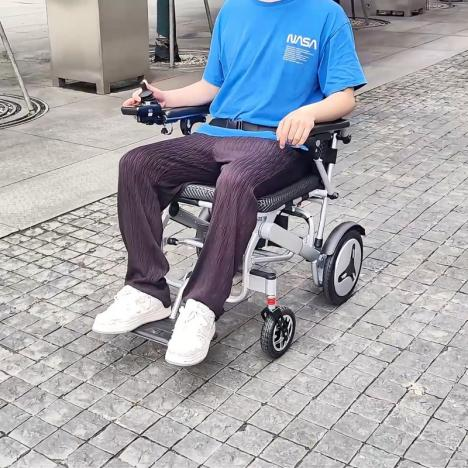
The folding joints are the components of an aluminum alloy wheelchair that require the most attention. Since aluminum is a relatively soft material, frequent folding and unfolding may cause slight deformation in the hinge pinholes. It is recommended to apply a low-viscosity lubricant to the moving joints once every two months. The load-bearing crossbeam located beneath the seat should be inspected regularly for any signs of bending—a precaution that is especially critical for heavier users.
Iron Alloy Wheelchairs: Targeted Maintenance for Economical and Durable Models
Iron alloy (carbon steel) wheelchairs are affordable, yet they demand stricter maintenance—with rust prevention being the primary focus. The paint finish on the frame serves as the most vital protective barrier; therefore, users should strive to avoid bumps and scratches during daily use. Should any damage to the paintwork be detected, it must be repaired immediately using a touch-up pen to prevent rust from spreading. After use in rainy weather, it is imperative to thoroughly wipe down the frame and store the wheelchair in a well-ventilated area.
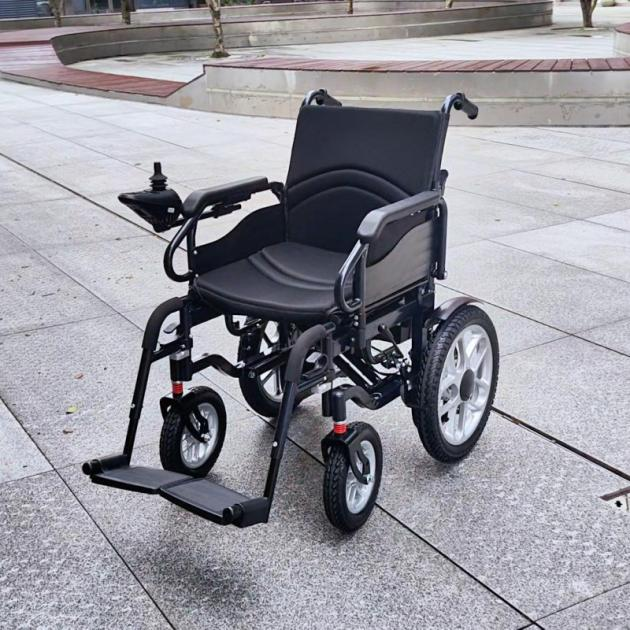
The lubrication intervals for the chassis and drivetrain components should be shortened appropriately. For iron alloy wheelchairs, it is recommended to lubricate all moving parts once a month, using an industrial lubricant of moderate viscosity. Given that iron alloy wheelchairs are heavier in weight, their bearings are subjected to higher loads; consequently, it is recommended to replace the grease within the wheel axle bearings once every six months.
Regarding battery maintenance, most iron alloy wheelchairs are equipped with lead-acid batteries, which require careful monitoring of the electrolyte levels. It is recommended to check the levels once a month; the electrolyte surface should sit 10 to 15 millimeters above the battery plates, and distilled water should be added if levels are low. When charging, ensure the environment is well-ventilated and avoid overcharging. Lead-acid batteries are susceptible to the “memory effect”; therefore, it is advisable to recharge the battery promptly after each use rather than waiting until the power is completely depleted.
Selection and Maintenance Recommendations for Specific User Groups
Elderly Users: Priority should be given to aluminum alloy wheelchairs. Their moderate weight and low maintenance requirements make them better suited for independent operation by the elderly. Routine maintenance tasks can be assisted by family members, with particular attention paid to brake responsiveness and tire pressure. If the budget is limited, an iron alloy wheelchair remains a viable option, though it will require children or family members to provide regular assistance with rust prevention measures.
Frequent Travelers: Carbon fiber wheelchairs represent the optimal choice. Its lightweight nature greatly facilitates air travel; however, when checked as luggage, it requires proper protective packaging to prevent damage from compression.
For users in coastal regions: Carbon fiber wheelchairs or aluminum alloy models featuring reinforced anti-rust coatings are the preferred choices. Carbon fiber is naturally corrosion-resistant, offering the most hassle-free experience; the aluminum alloy version, conversely, requires a rinse with fresh water once a month. Iron alloy wheelchairs are not recommended for prolonged use in humid environments unless weekly anti-rust maintenance can be guaranteed.
For bulk purchasing by healthcare institutions: A mixed configuration is recommended. Iron alloy wheelchairs are suitable for nursing areas; their greater weight makes them less prone to being accidentally moved, and their maintenance costs are low. Conversely, aluminum alloy wheelchairs are ideal for activity areas, offering caregivers greater flexibility and ease of maneuverability. Maintenance tasks should be integrated into daily care protocols, and a system for quarterly professional inspections should be established.
Regardless of the wheelchair material chosen, establishing a routine maintenance habit is key to extending the equipment’s service life. If you have any further questions regarding wheelchair maintenance, or wish to learn more about Baichen products, please feel free to contact our customer service team at any time. We remain committed to providing you with professional mobility advice and technical support.
Baichen is dedicated to delivering safer, more convenient, and intelligent mobility solutions to users worldwide through innovative technology and user-centric design. For more product information and mobility guides, please visit the official Baichen website.
Ningbo Baichen medical Devices Co.,LTD.,
+86-18058580651
Service09@baichen.ltd
Post time: Apr-03-2026